Describe the journey from vehicle to seat
Access begins before the gangway. Ask about the route from the drop-off point through the marina to the yacht, including surfaces, changes of level and any waiting area. The distance and effort involved may matter as much as the final step aboard.
Then follow the route to the seat the guest will actually use. A photograph of a broad deck cannot show every gap, step or narrow turn along the way. Request a continuous walkthrough or a sequence of current images where possible, so the guest or their companion can assess the complete journey with the operator.
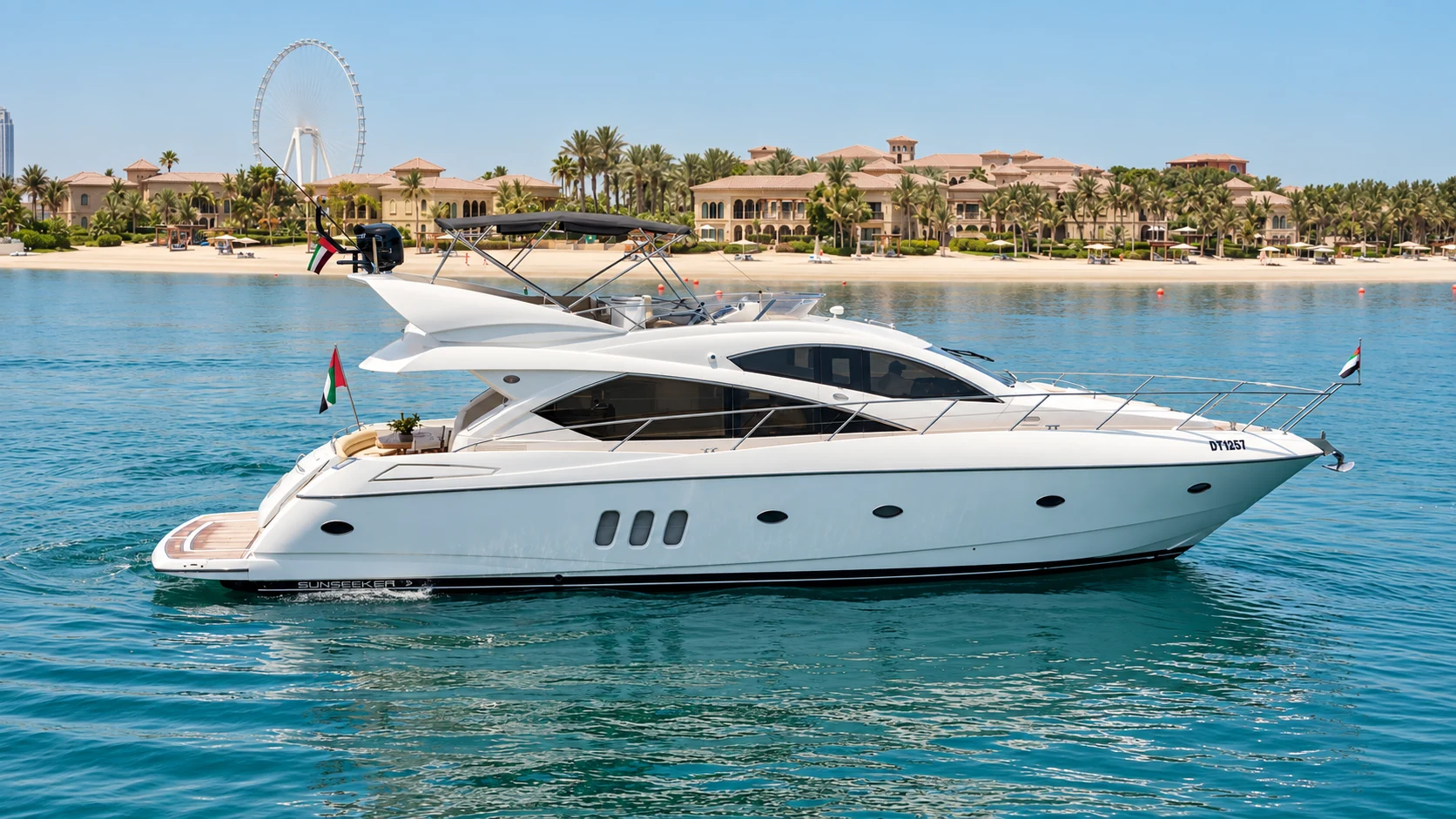
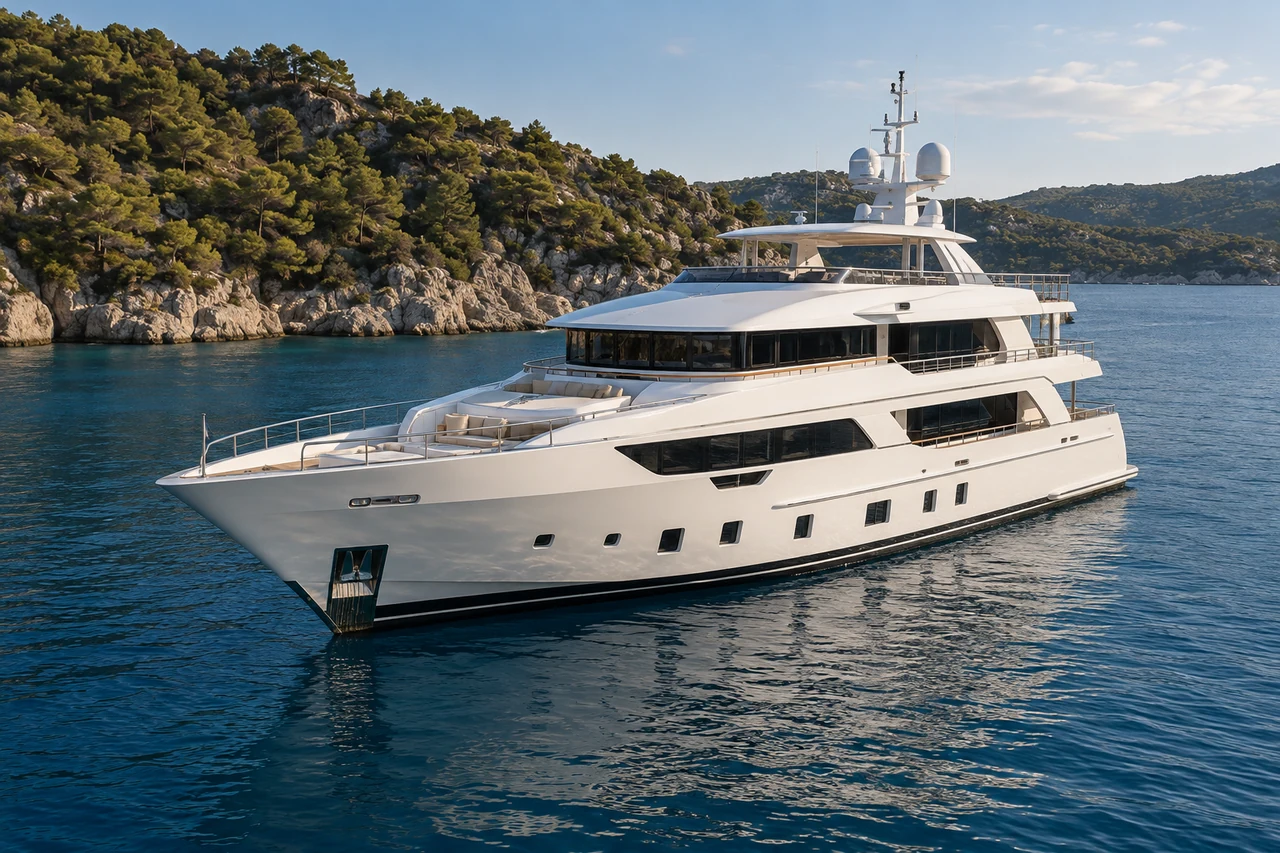
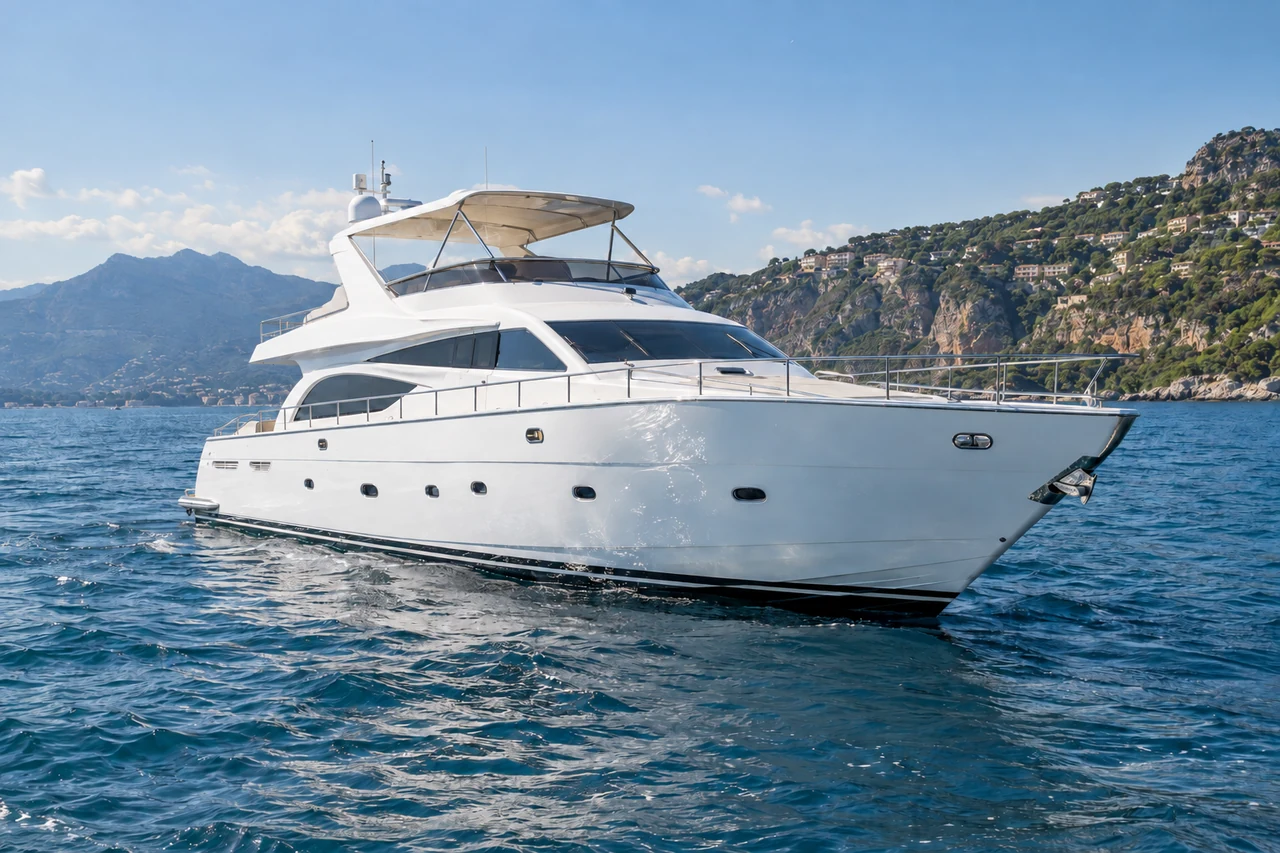
Check the boarding arrangement at the proposed berth, including the gangway, gap and movement between shore and yacht. A different departure point can change how the same boat is reached. Ask for images of that actual arrangement, rather than relying only on the yacht's gallery.
Use measurements that answer a real question
If a mobility aid will be used, provide its relevant dimensions and explain whether the guest intends to remain in it or transfer to another seat. Ask for the specific doorway, passage or boarding measurements that affect that plan. A label such as spacious is not a useful substitute.
Discuss where equipment can be kept without obstructing movement and whether the arrangement works throughout the charter. The guest should be involved in deciding what is comfortable and workable. Do not assume that lifting a person or their equipment is an available solution; any assistance must be discussed explicitly with the provider.
Look beyond boarding to the whole outing
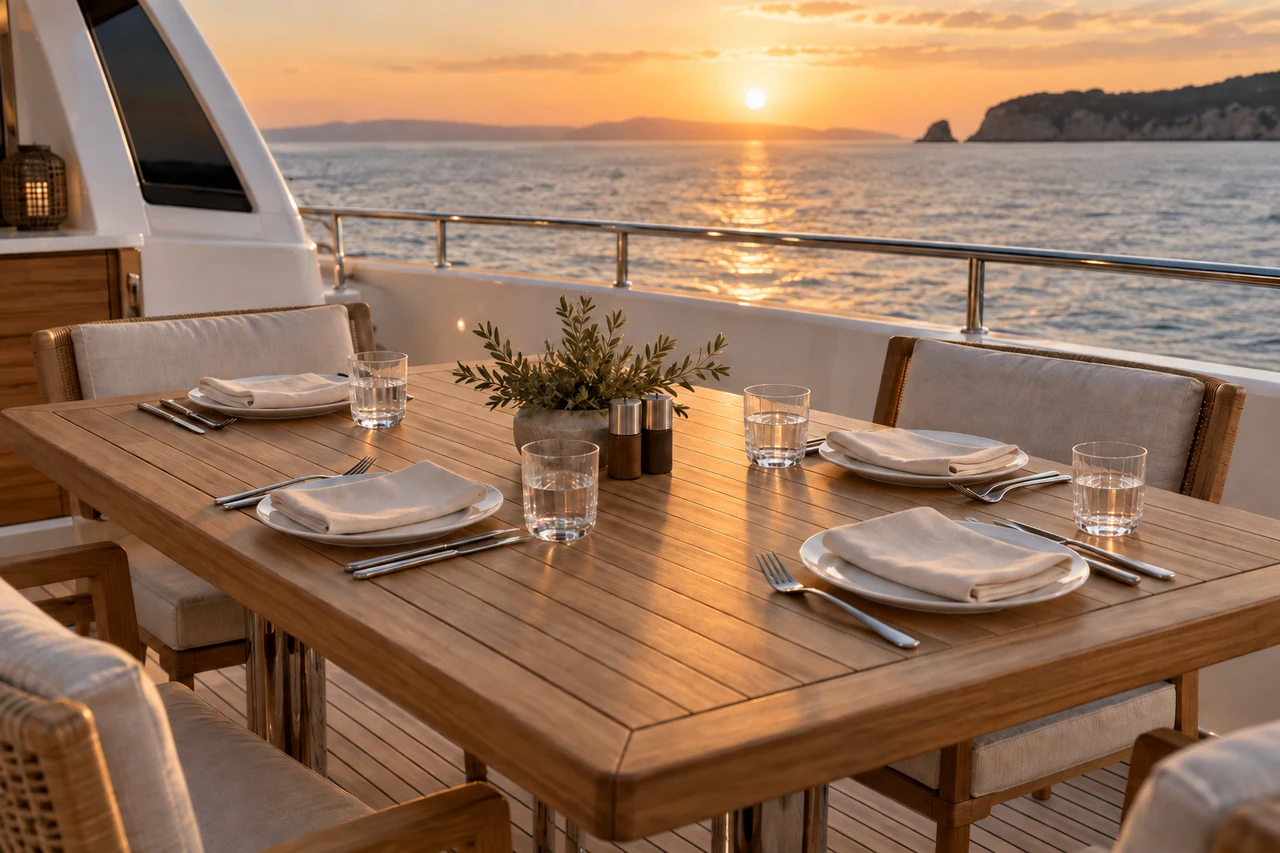
Reaching the deck does not establish that a guest can use the toilet, move into shade or join a meal. Identify the facilities that will be needed and inspect the route to each one. If an essential facility is unsuitable, that may determine the boat choice.
Ask about seat support, space for a companion and whether the group can gather on one level. Share relevant sensory or communication preferences as well, such as avoiding loud music or receiving instructions in writing. These requests help shape the outing without requiring the guest to disclose unrelated personal or medical information.
Agree assistance without assuming it is included
Explain which tasks the guest manages independently and where support is requested. The operator should clarify what its team can provide and what a companion or separate support person would need to handle. A general promise to help is less useful than agreement on the actual steps involved. Request a named contact for the agreed arrangements so that the guest and their companion know who to speak to before arrival.
Include the support person's place in the guest count and discuss arrangements for both boarding and leaving the boat. If the vessel or berth cannot meet an essential need, consider another departure, boat or experience. The aim is a practical choice the guest can assess confidently, not a broad claim that every yacht is accessible.