Describe the fishing you have in mind
Tell us whether guests are trying fishing for the first time or arrive with a particular method in mind. The operator needs that context to confirm an appropriate outing and equipment. Mention how many people want to fish at the same time; passenger capacity does not show the number of practical fishing positions. A clear brief also helps balance time reaching the activity area with time spent fishing.
Check tackle and space on the actual boat
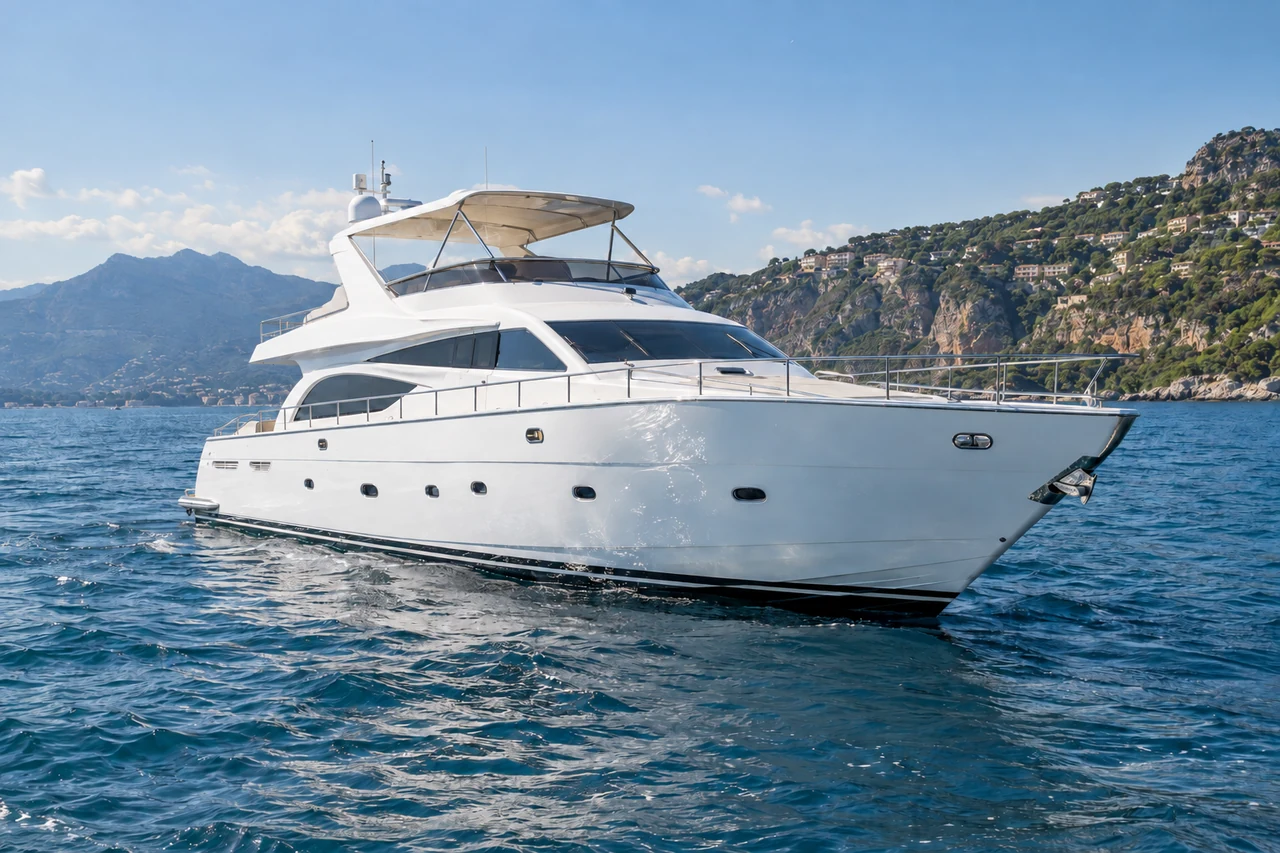
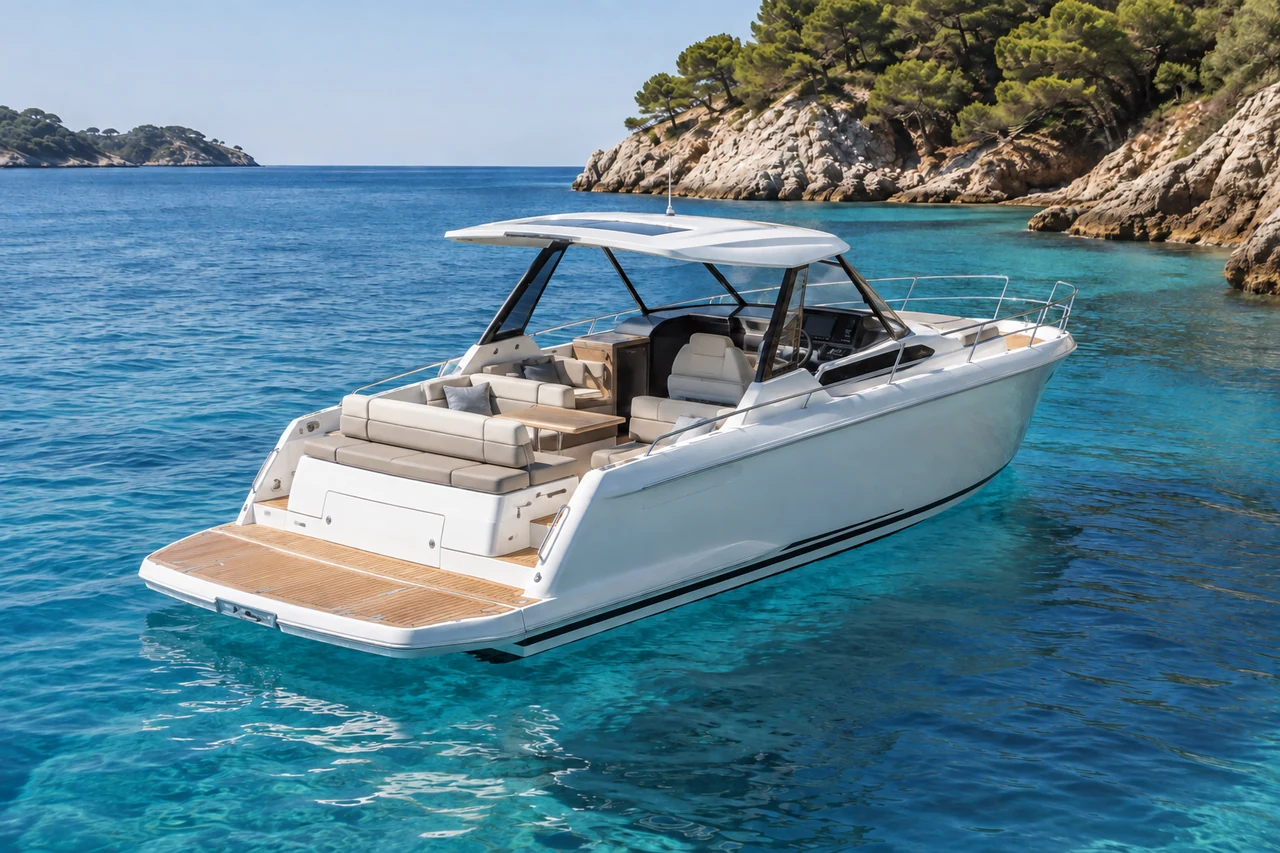
Ask which rods, tackle and other equipment are included, and whether personal equipment can be brought. The deck must work for the intended group and method, with practical storage for bags and room for people who are not fishing. Shade, seating and toilet facilities still matter. Confirm these features on the proposed vessel so companions can judge whether they will enjoy the outing alongside the anglers.
Set expectations before departure
Conditions influence the operator's choice of area and what activity is appropriate on the day. No catch or particular species should be promised. Ask for the current rules that apply to the outing, including how catches are handled, and follow the operator's instructions. The quote should identify the boat, skipper or guide arrangement, equipment and charter period, with any food or transfers stated separately when requested.
Separate the anglers from the full passenger count
A group of friends may include enthusiastic anglers, occasional participants and people who only want to enjoy the boat. Give those numbers separately. The useful question is how many guests can fish comfortably at once with the proposed equipment, not how many people can board.
For an introductory outing, taking turns may be part of the day. For experienced anglers, repeated waiting could undermine the purpose of the charter. Tell the provider which arrangement suits you, and make sure companions have somewhere to sit away from tackle preparation and the working area.
Ask for an equipment brief you can actually use
An equipment list should explain what the outing is designed around. Discuss the planned method, who sets up the tackle and how much guidance is available. If you want to bring personal gear, describe it in advance rather than arriving with equipment the boat cannot conveniently carry.
Keep specialist requests separate from basic passenger needs. An angler may care most about tackle, while another guest needs shade and a usable toilet. Both belong in the decision. A photograph of a crowded rack of rods does not answer either question on its own.
Discuss what happens if you catch something
Ask the fishing provider to explain its catch-handling approach before you leave. That discussion should cover applicable rules, any release practice, and whether there is an agreed way to handle or transport a retained catch. Do not build lunch plans around something that has not been caught.
Guests unfamiliar with fishing may also want to know how close they will be to that activity. A short explanation beforehand helps everyone decide how involved to be, particularly when children or non-fishing companions are joining the charter.
Leave the fishing area to the provider
A sightseeing map is not a fishing plan. The skipper needs to choose an appropriate area for the intended activity and the conditions, rather than simply stopping beside a landmark you recognise. If photography or a coastal view is also important, rank it below or above the fishing when you send the brief.
The trip can then be organised around a clear purpose. A social first attempt at fishing and a focused outing for experienced anglers should not receive an identical programme just because the passenger numbers happen to match.