Explain how involved you want to be
Tell us whether the group has sailed before and whether anyone hopes to help with the boat. Participation depends on the operator, skipper and conditions; a charter is not automatically a lesson. Guests who prefer to remain passengers should be comfortable too. A candid brief helps match the outing to the group, including where people will sit during manoeuvres and what the skipper expects from everyone aboard.
Allow the wind to shape the plan
A sailing itinerary needs flexibility. Conditions influence when sails can be used, the direction of travel and the balance between sailing and motoring. If one particular coastal view matters, mention it, but avoid making several distant stops the test of a successful day. The captain can propose a workable plan for the charter period and explain how the route might change if the conditions call for it.
Compare comfort at deck level
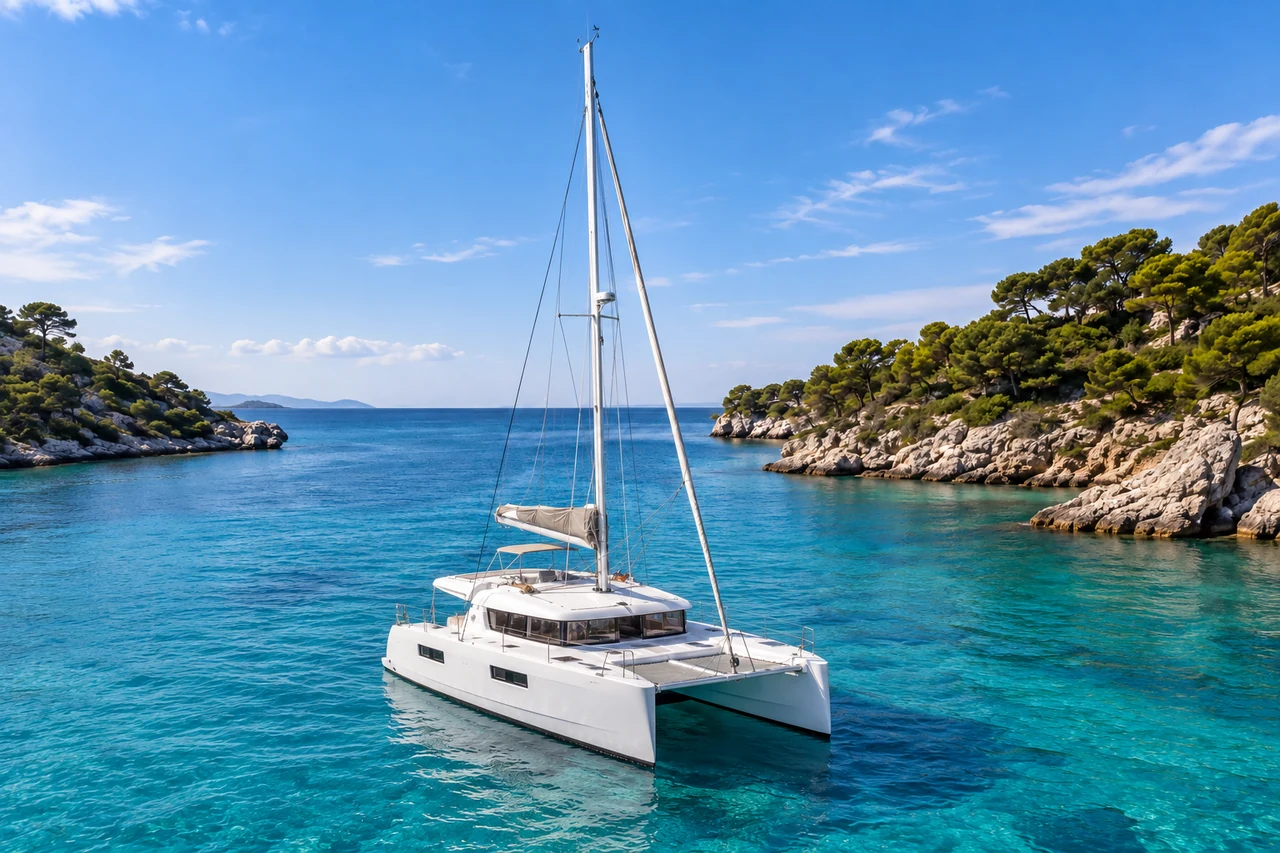
Look at the cockpit seating, shade, handholds and access to the interior on the proposed vessel. These details often matter more to first-time sailing guests than a broad description of the yacht. Ask about suitable footwear, bags and food arrangements before boarding. If you prefer a wider shared living area, you can also compare a sailing catamaran, while keeping the same questions about actual capacity, conditions and the intended experience.
Monohull or catamaran for your group
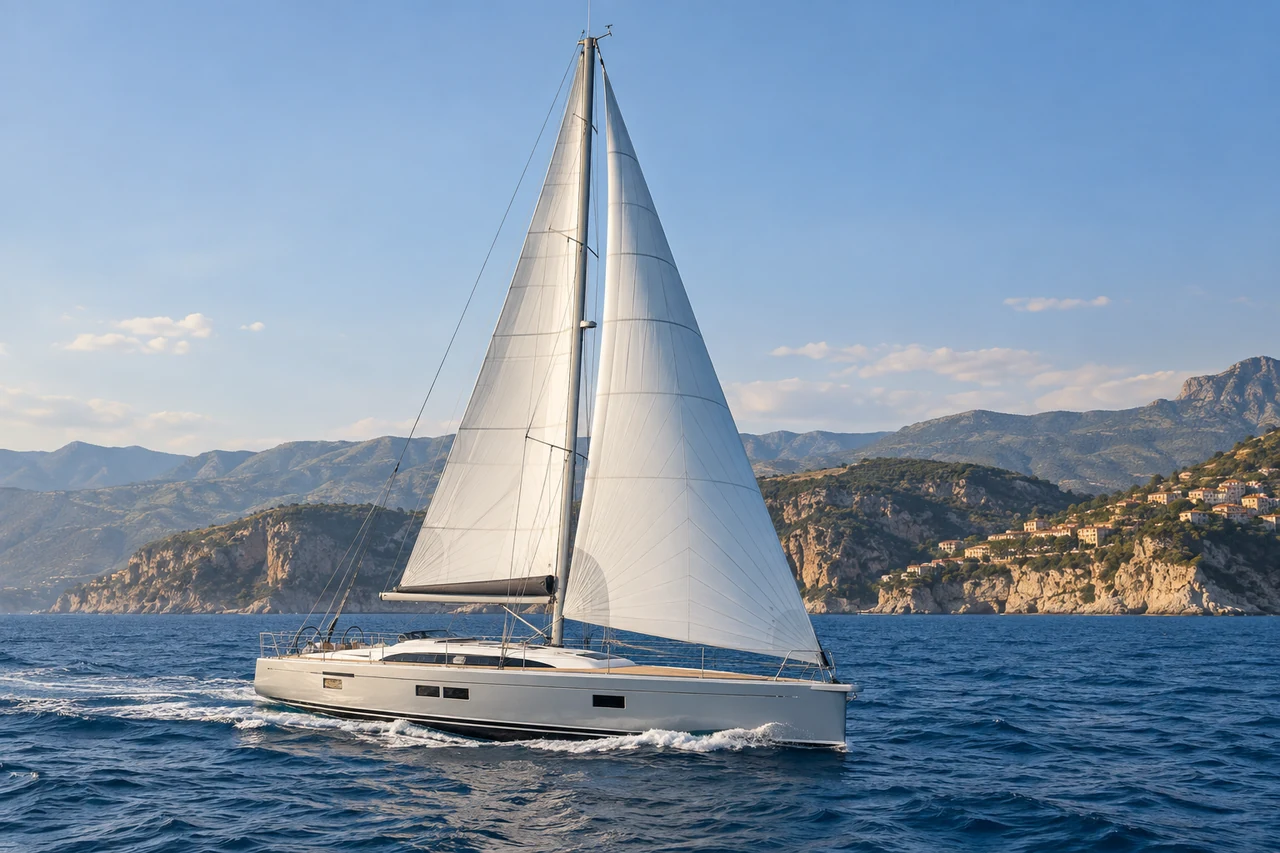
A monohull and a sailing catamaran can deliver quite different days, even when both meet the headcount. Compare the seating used while sailing, the route between cockpit and cabin, and where guests can stay clear of the working equipment. For a group keen to watch the sailing, an unobstructed view of the crew may matter more than a large dining table.
Guests who mainly want to talk and relax may place greater value on a shared shaded lounge. Use photographs and the skipper's explanation of that particular boat rather than assuming either hull type will suit everyone.
Make room for sailing in the day's priorities
An activity-led plan gives the skipper room to respond to conditions. You might begin with an introduction to the boat, spend the main part of the outing observing or taking part as agreed, and save food for a suitable quieter moment. A photography-led plan may put more weight on a coastal background. Tell the organiser which experience you would be disappointed to miss.
Avoid judging the trip by how many landmarks it passes. Concentrating on the boat and the water can be the reason to choose sailing in the first place.
Pack for moving around a working deck
Bring a compact bag that can be stowed where the crew directs, and ask about footwear before choosing what to wear. A loose bag, hat or long strap can be awkward around lines and moving equipment. Keep the things you expect to use together, so you are not repeatedly crossing the cockpit for your phone or water.
Food deserves the same thought. Something easy to hold and serve may fit an informal sailing outing better than a table setting that demands everyone remain seated around it throughout the passage.
Brief different levels of confidence honestly
In a mixed group, one guest may want to handle a line while another wants a stable seat and a clear explanation before the boat turns. These preferences can coexist when the skipper knows about them. Agree how instructions will be given and who would rather watch.
If you are seeking tuition, describe the skills you want to learn and ask for a teaching arrangement. If the purpose is simply a private outing under sail, there is no need to pretend that every guest is interested in becoming part of the sailing team.