Start at the actual boarding point
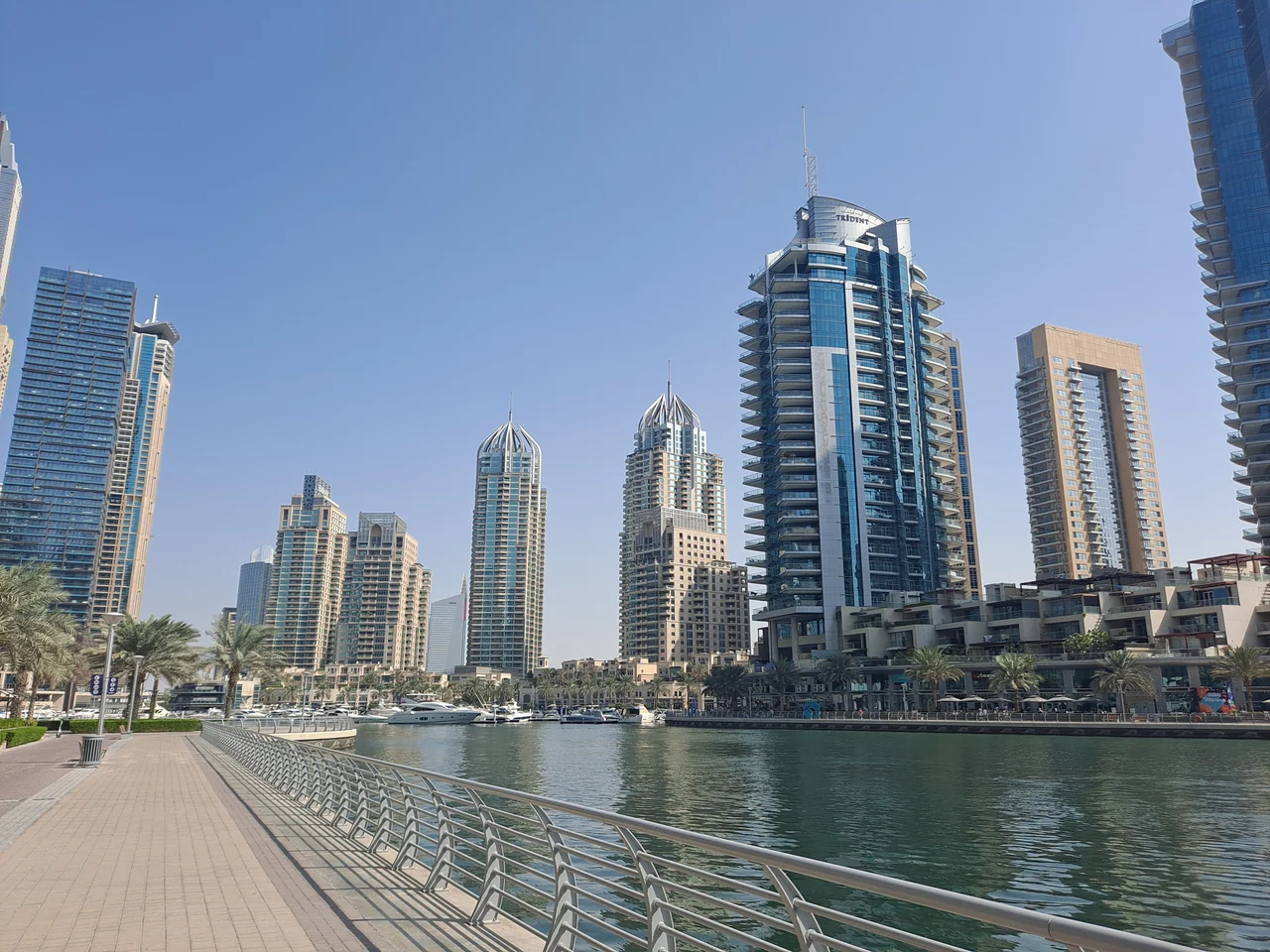
Ask where the offered yacht will be berthed for your date. Dubai Marina can be a useful reference when discussing a departure, but the final meeting point must be the one in the booking instructions. Allow time for reaching the marina, finding the berth and boarding; do not use the departure hour as your arrival time.
Once aboard, the route also includes harbour access and the journey back. A longer cruise creates more choice, but only if the extra time is spent where you want it. Tell the enquiry contact about a dinner reservation or airport transfer that makes the return time inflexible.
Choose one main coastal focus
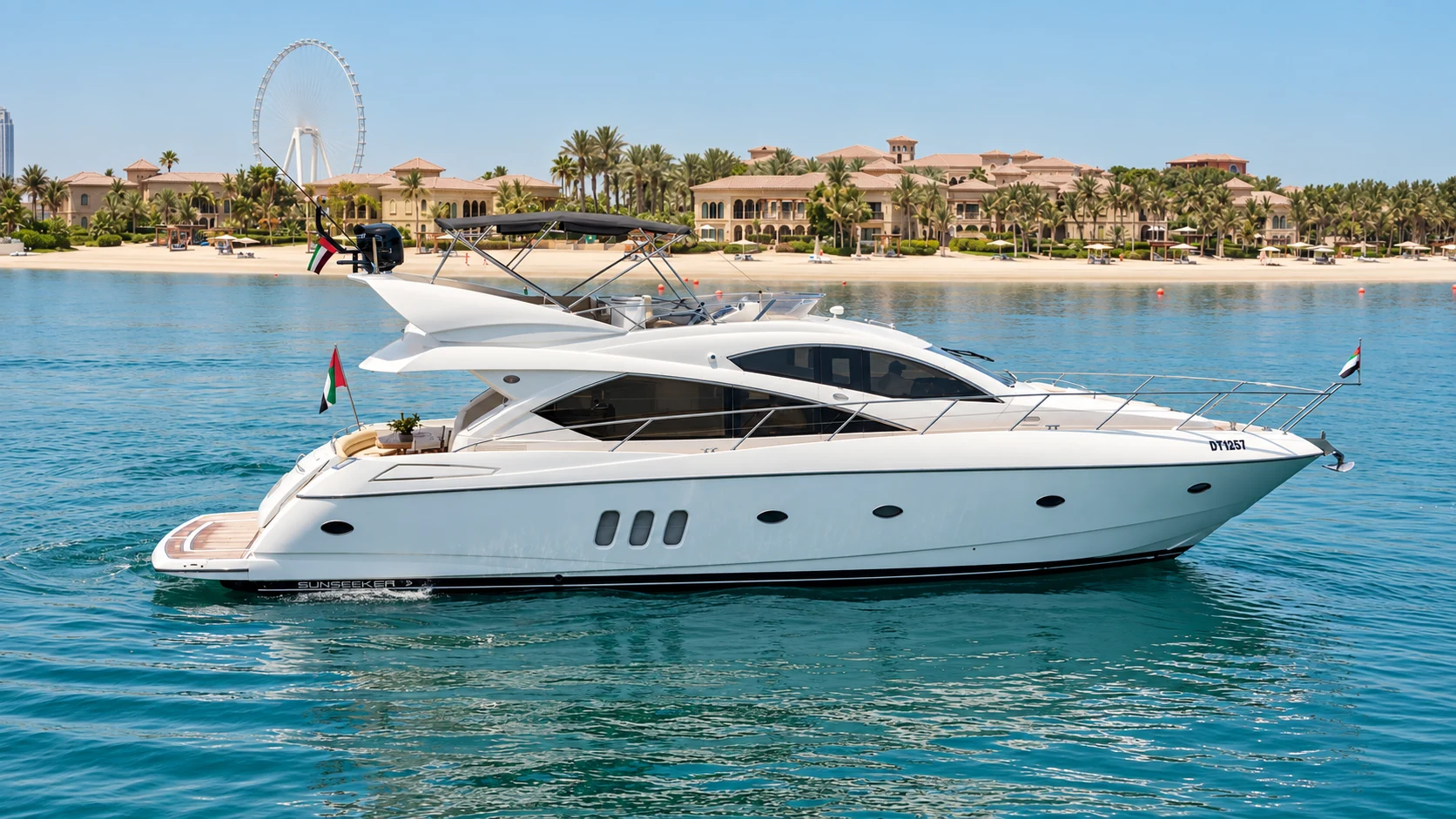
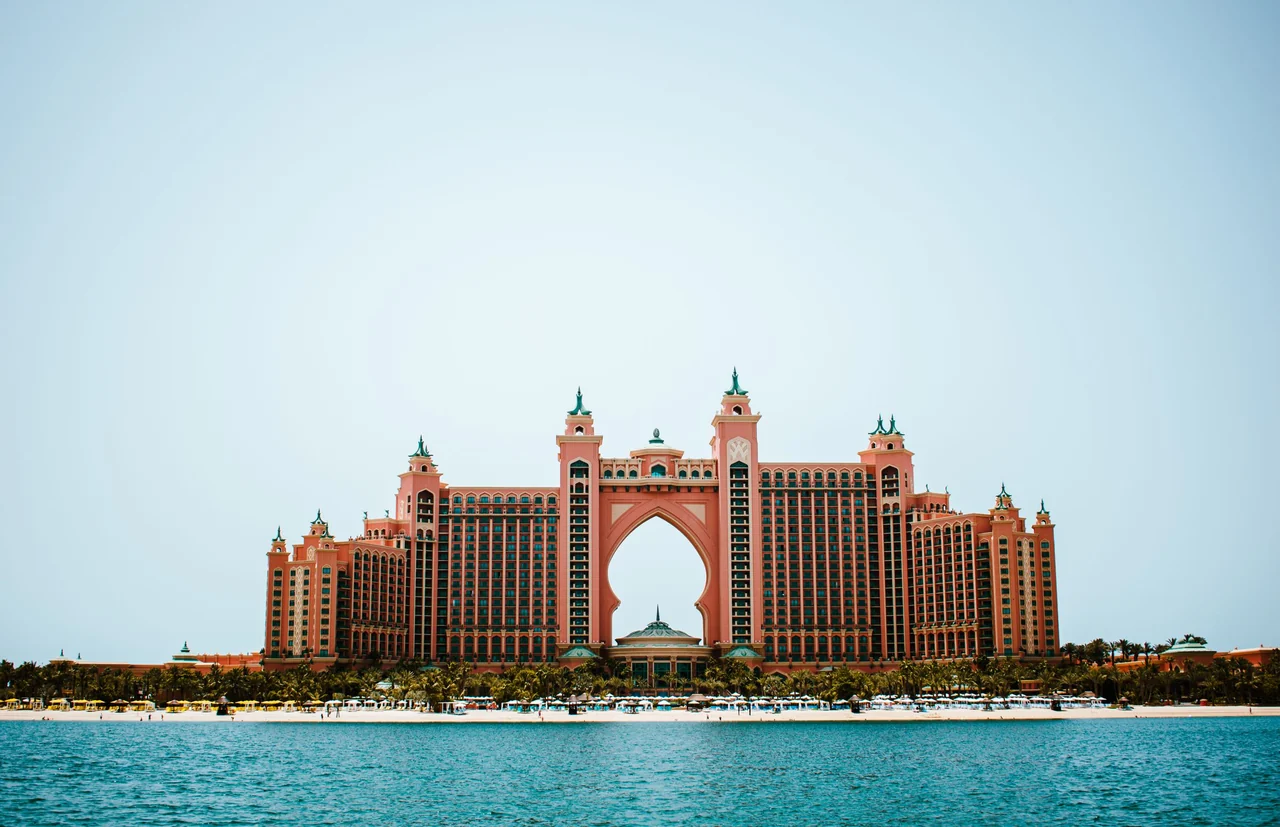
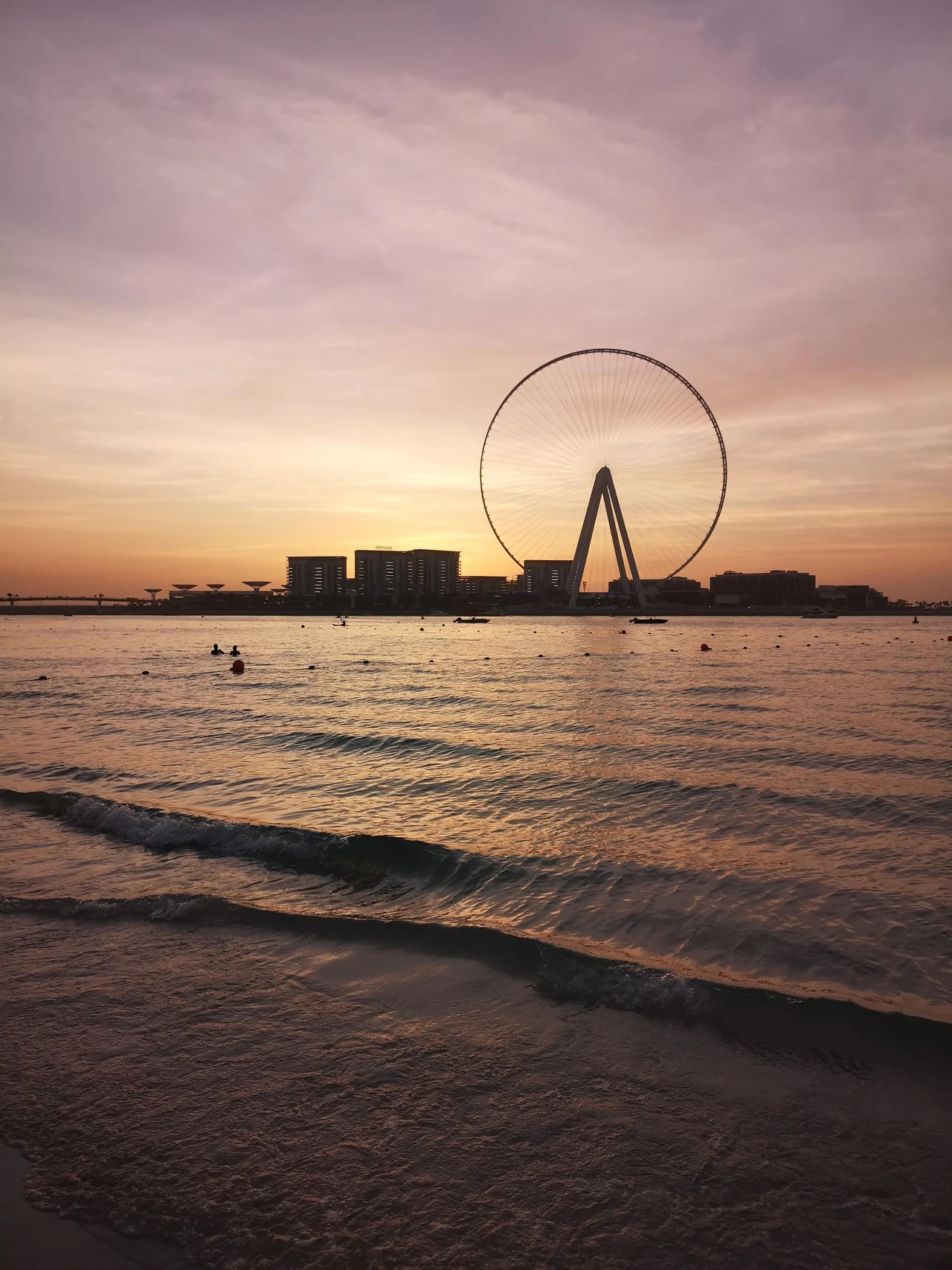
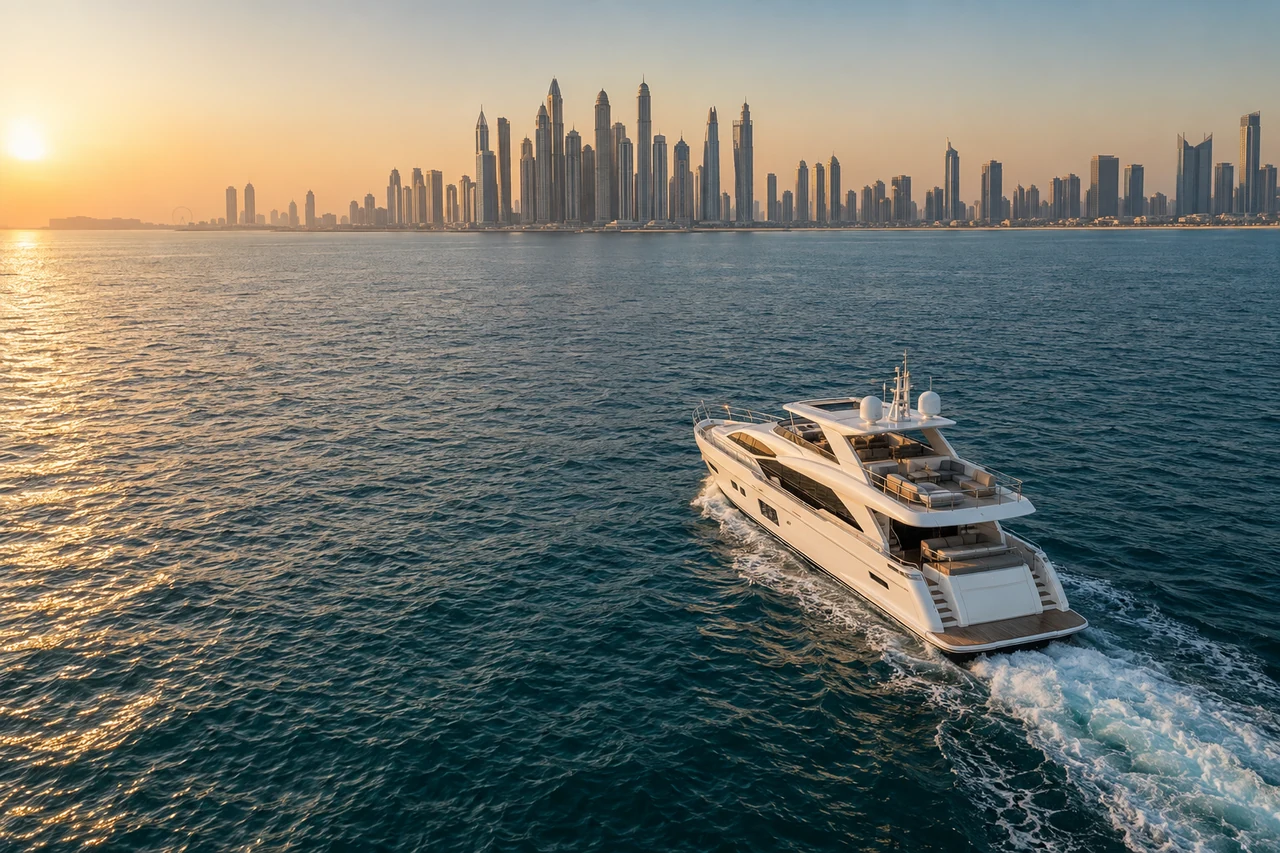
For a city-facing cruise, discuss the Marina and JBR coastline as an area of interest. If views around Palm Jumeirah are the priority, say which aspect appeals to you and ask what the chosen vessel can reasonably include. These are preferences to test against the departure and charter period, not stops to assume.
Trying to add every well-known view can leave little time to settle on deck. Pick the place you most want to see and treat further sights as options. The captain can advise on the route’s practical shape and any restrictions or conditions affecting it that day.
Give a swim or meal its own space
A swim stop changes the rhythm of the outing. Ask whether a suitable stop can fit the route and what the boat offers for entering and leaving the water. Tell the organiser about children, less confident swimmers and any equipment you hope to use. Suitability depends on the vessel, location and conditions.
For a meal, decide whether you want a simple snack while cruising or time at a table. Check seating for the whole group and clarify what catering includes. Food preferences, service arrangements and any outside catering need agreement before the day.
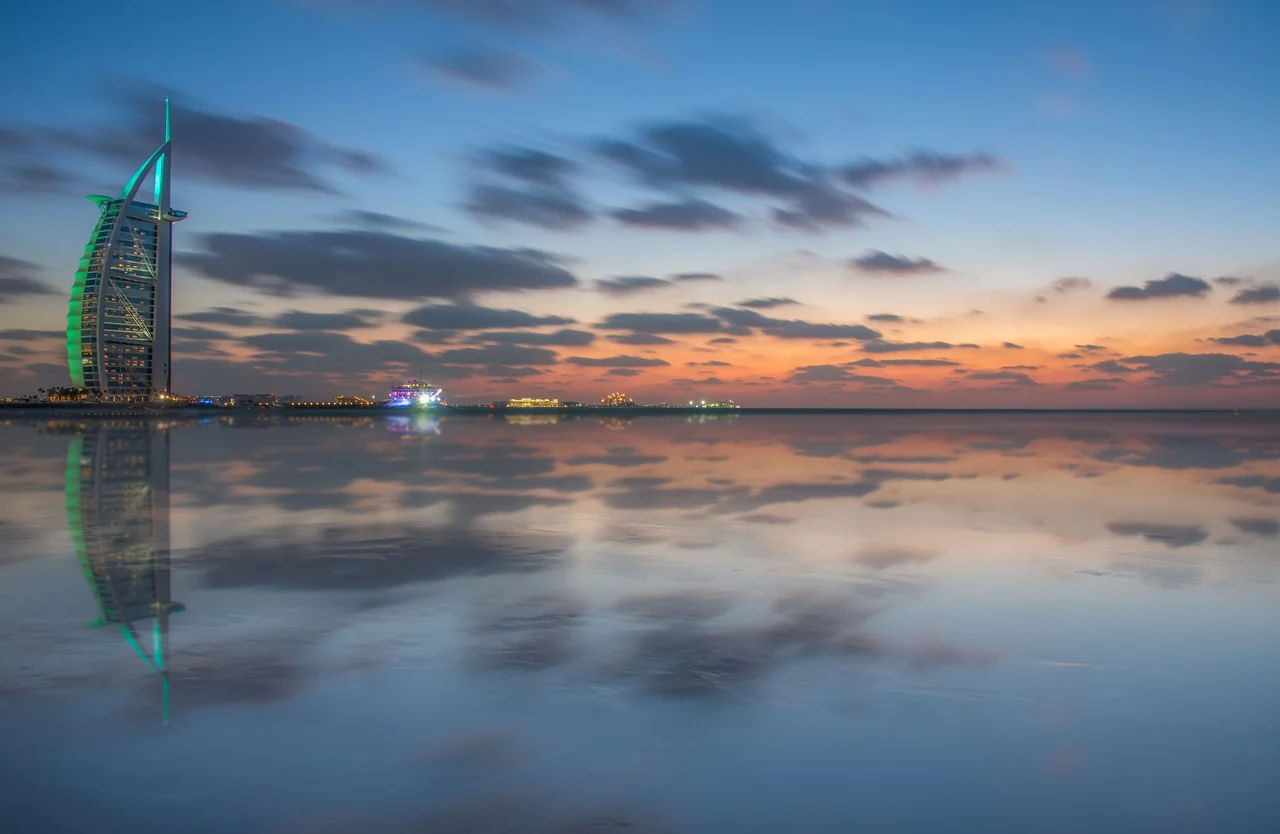
Treat sunset as a timing choice
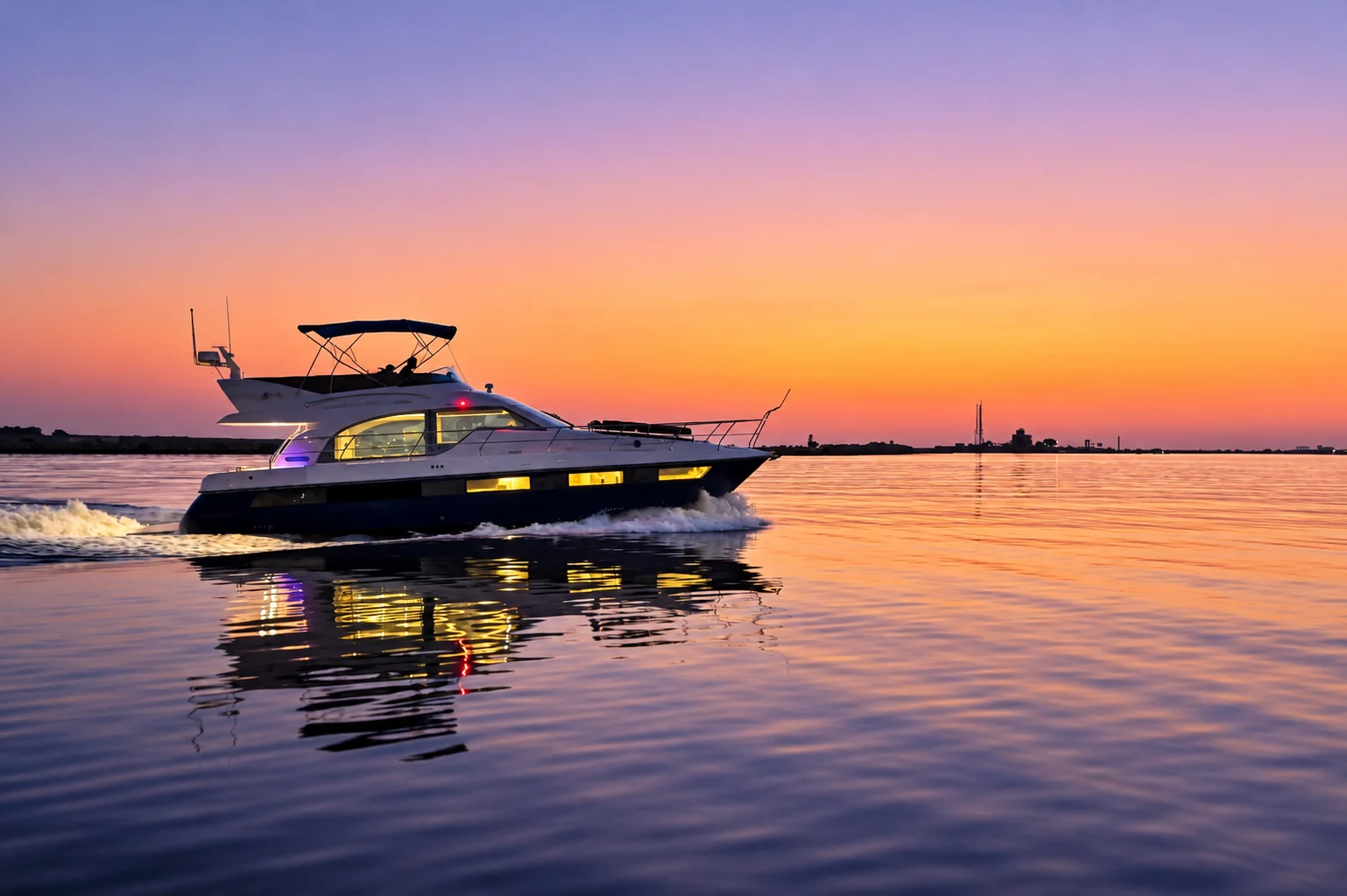
If sunset is the reason for the trip, plan backwards from the period you want to be on the water. The departure date, actual sailing time and desired view all matter. Ask for a proposed schedule rather than assuming that an evening booking automatically places the yacht in the right spot.
Consider the return as part of the experience. Guests may want to change, collect belongings and travel onwards after docking. Leave room in the evening instead of planning the next reservation immediately after the quoted end time.
Send a route brief the captain can use
Keep the brief short: departure area, duration, guest count, main view or activity, and any fixed timing. Rank the rest as preferences. That makes it easier to adjust the route without losing the point of the trip.
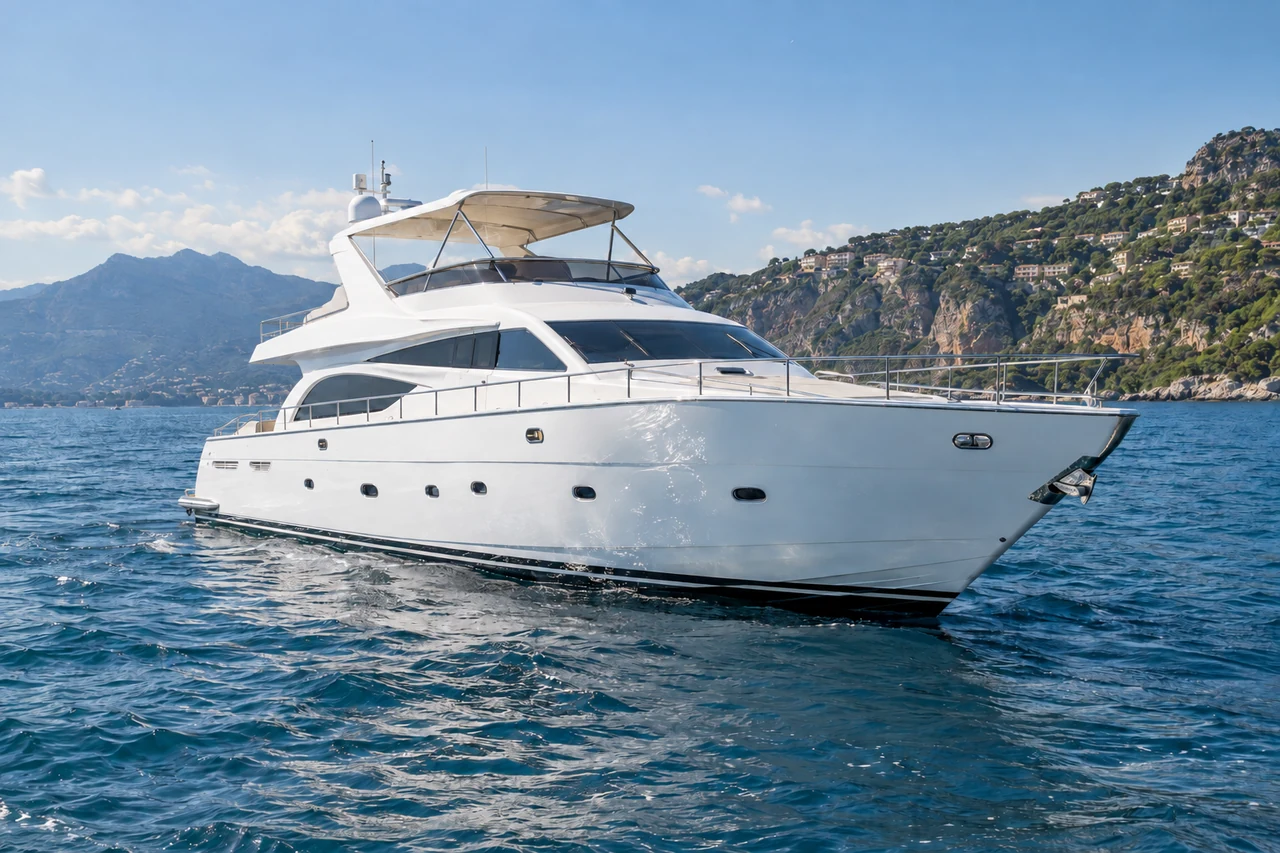
Before confirming, check the actual boat, departure, inclusions and terms alongside the proposed programme. A route description is useful for planning, but the final itinerary remains subject to the captain’s assessment and the conditions on the day.
Viewing a place and landing there are separate requests
A cruise past a hotel or waterfront landmark does not include permission to go ashore there. If a lunch reservation or event depends on a landing, name the exact venue while the route is being discussed. The berth, access and timing need agreement before you rely on that stop.
The same distinction applies to a one-way journey. Tell the organiser whether you want to return to the starting marina or finish elsewhere. Another drop-off can change the vessel’s schedule and costs, even when it looks close on a map.